Ugrás a tartalomhoz
  • Margit Kovács, Queen of the Danube

    Kovács Margit Kerámiamúzeum

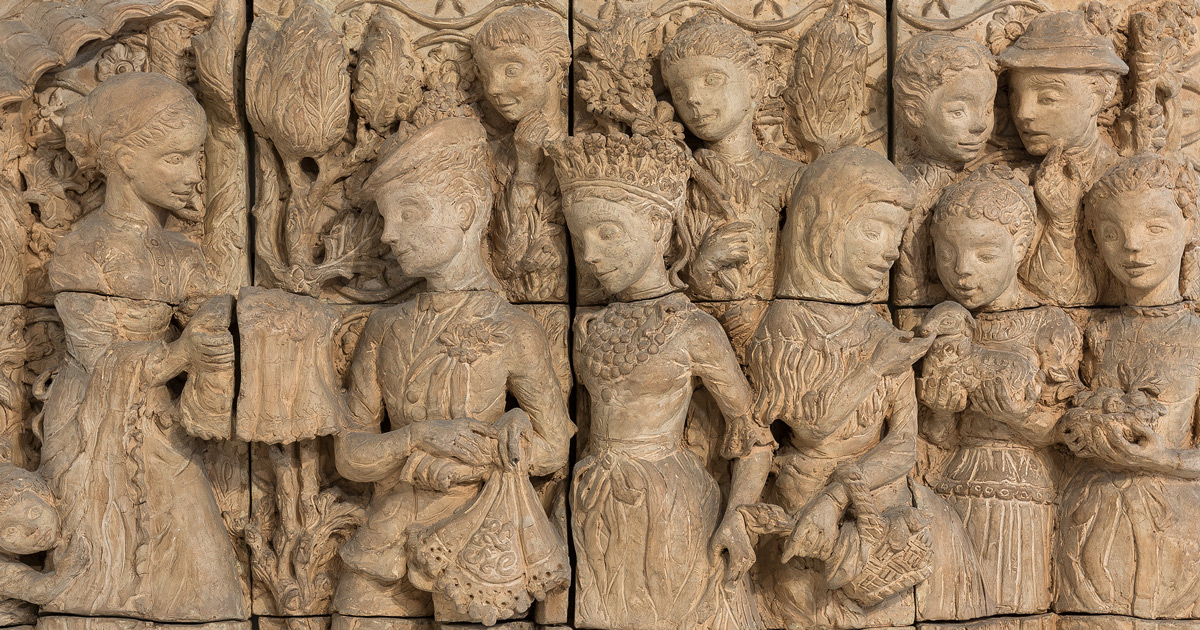
    Thanks to the decorative modelling, the subjects of human interest, the mythological and biblical stories, the Kovács Margit Ceramics Museum welcomes visitors with a loveable, familiar world. With a playful spirit, individual outlook and superficial decorativeness, Margit Kovács’s ceramic works breathe new life into the squat, coarse forms of Romanesque churches, the slender, delicate shapes […]

  • Magic circle

    Czóbel Múzeum

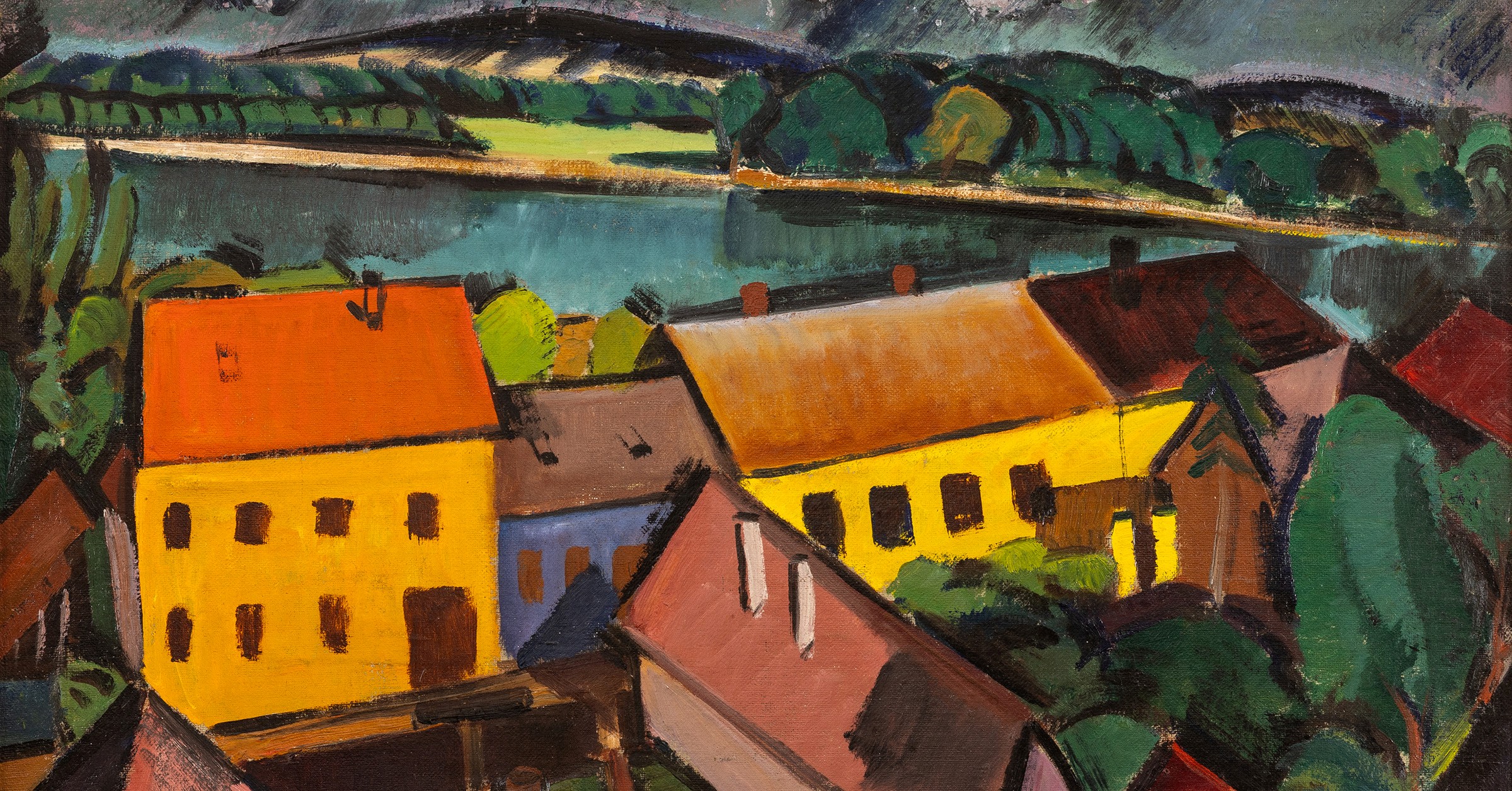
    The parallel careers pointed to by the exhibition, Magic Circle, outline Czóbel’s social and intellectual milieu, and his role as a catalyst in early 20th-century Hungarian modernism. They indicate the enduring timeliness of a painting that was bold and provocative, and whose point of departure was the foundations of reality, while it never headed for […]

  • Structure from the view

    Kmetty Múzeum

    Jenő Barcsay (1900–1988) was a seminal figure of 20th-century Hungarian visual art, an ‘old-fashioned avant-garde’ with an individual voice, whose oeuvre is characterized by a delicate balance he established between the classical sensibility of form and a modern approach to composition. Over a career of six decades, Barcsay produced a body of work that is […]

  • Phantom Thread III

    Ferenczy Múzeum

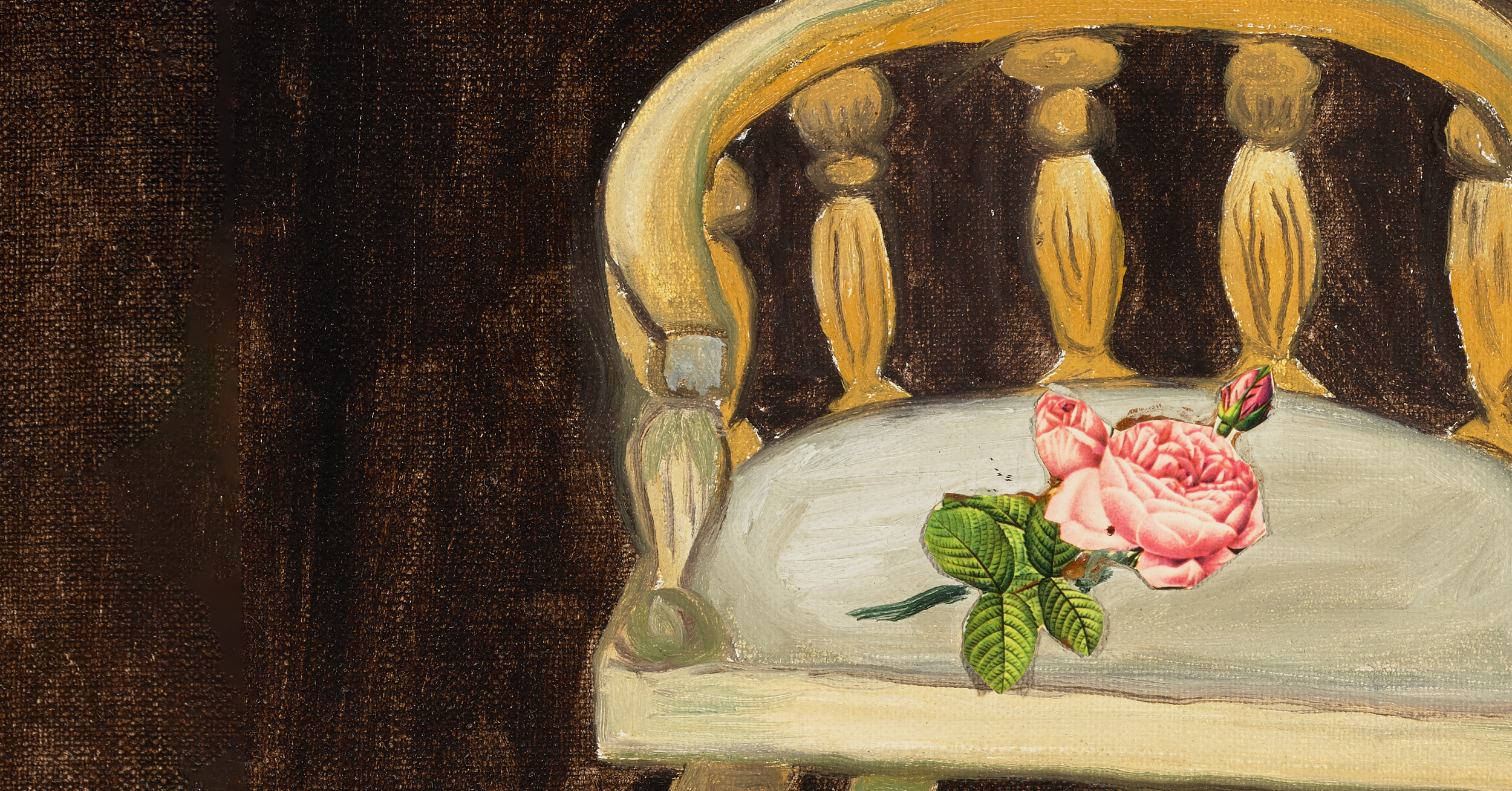
    The third exhibition of our series, ‘Phantom Thread – Artist Wives,’ looks at the life of Olga Fialka, a key figure of the Ferenczy Family. Olga Fialka, the wife of Károly Ferenczy and the mother of Valér, Noémi and Béni Ferenczy, was herself an artist, but after her children were born, she subordinated her ambitions […]

  • Framing the Story

    Ferenczy Múzeum

    With over two million items, the collection of the Ferenczy Museum Centre is both timeless and teeming with stories that keep changing. Rather than close this vast material, this exhibition seeks to open it up, offering a subjective yet representative snapshot through which it is possible to trace the complex, colourful 130 years of art […]

  • Lajos Vajda and the Postmodernity

    Vajda Múzeum

    This new, thematic exhibition of the Vajda Museum takes a broader perspective and considers the influence of Vajda’s art and ethos on the second half of the 20th century through the praxes of diverse (neo-) avant-garde, postmodern and contemporary artists. As it offers a chronological overview of Vajda’s work, the exhibition introduces contemporary artists, one […]

  • Back to the future

    Szentendrei Képtár

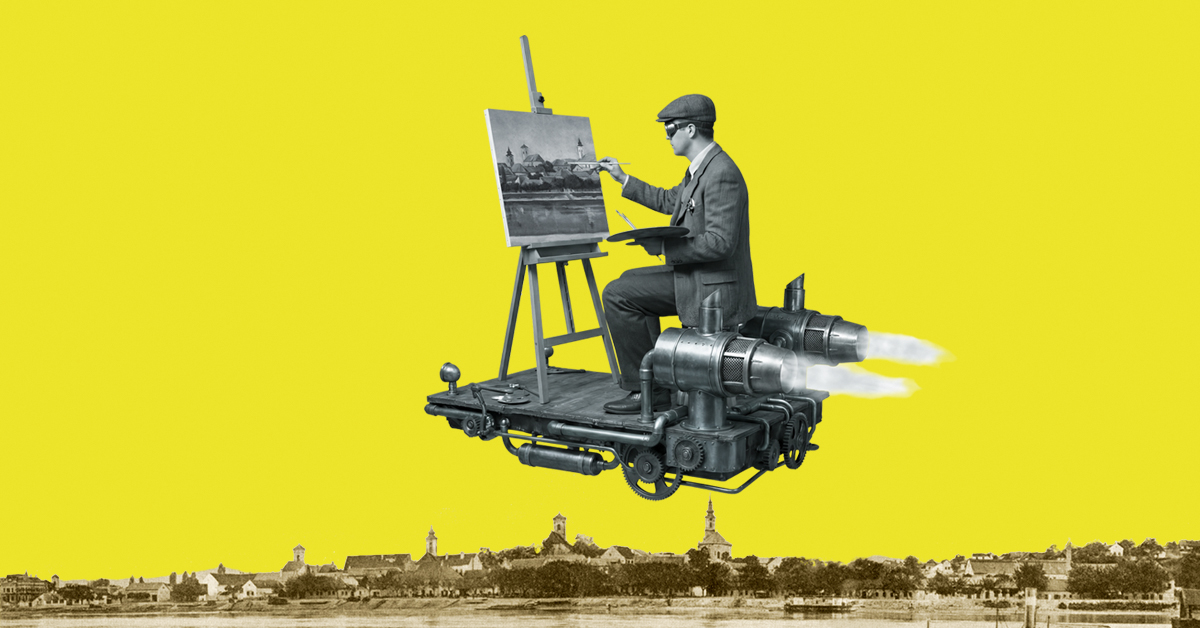
    The early 20th century was a transitional period for Szentendre. The constantly growing influx of Hungarian speakers from the turn of the century radically changed the social and cultural composition of the town, and then the First World War, the Soviet Republic and the Trianon Peace Treaty caused economic and political instability. The formerly multi-ethnic […]

  • Artist Colony 100

    Művészetmalom

    This extensive exhibition looks back over the 100-year history of Szentendre’s Old Artist Colony, with both works well known and emblematic and ones less frequently seen or recently discovered. Archival materials, photographs and models round out the display of over two hundred artworks to illustrate the social, sociological and cultural-political background of the artist colony, […]