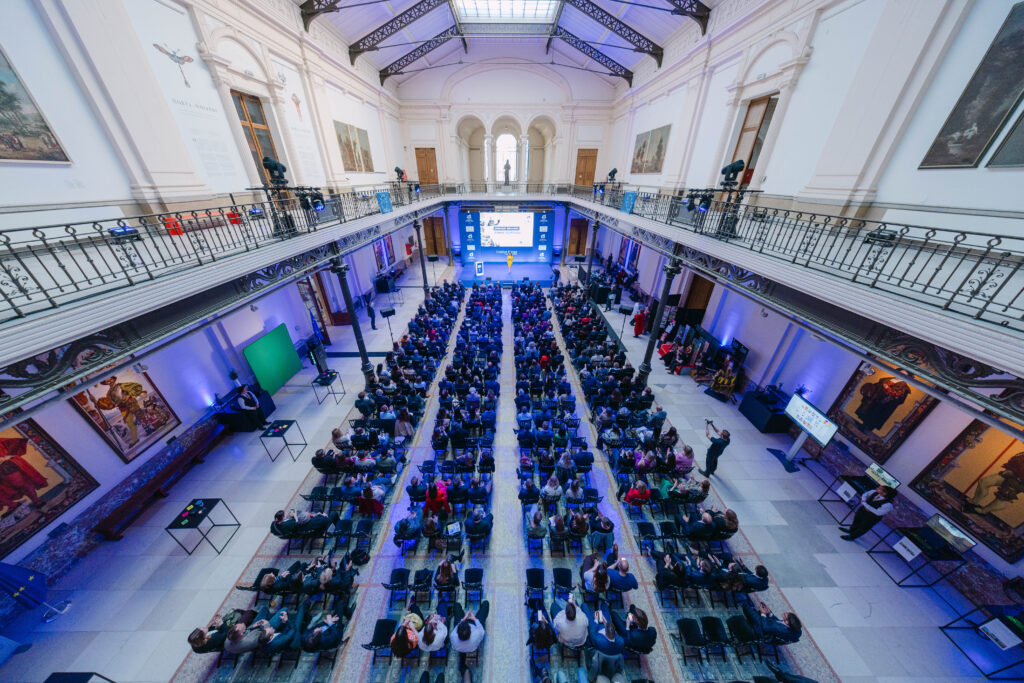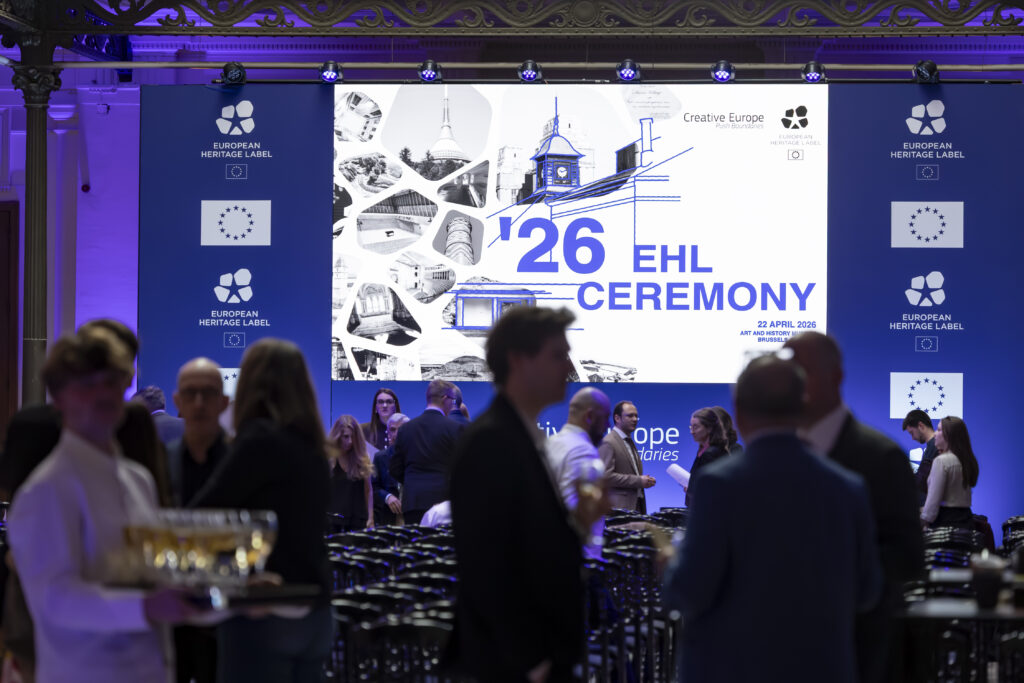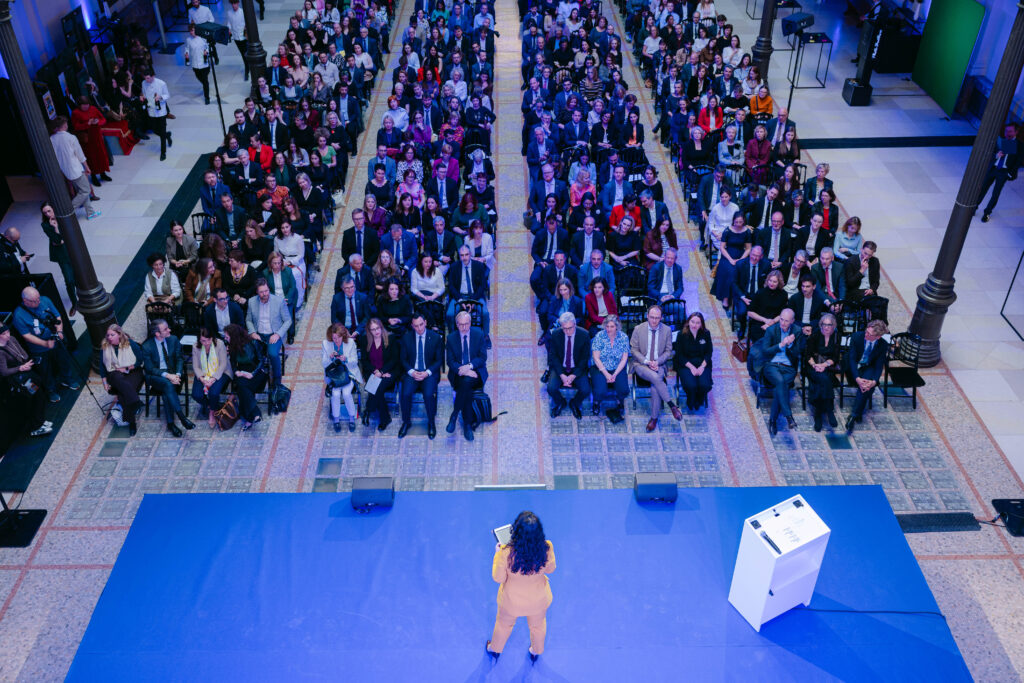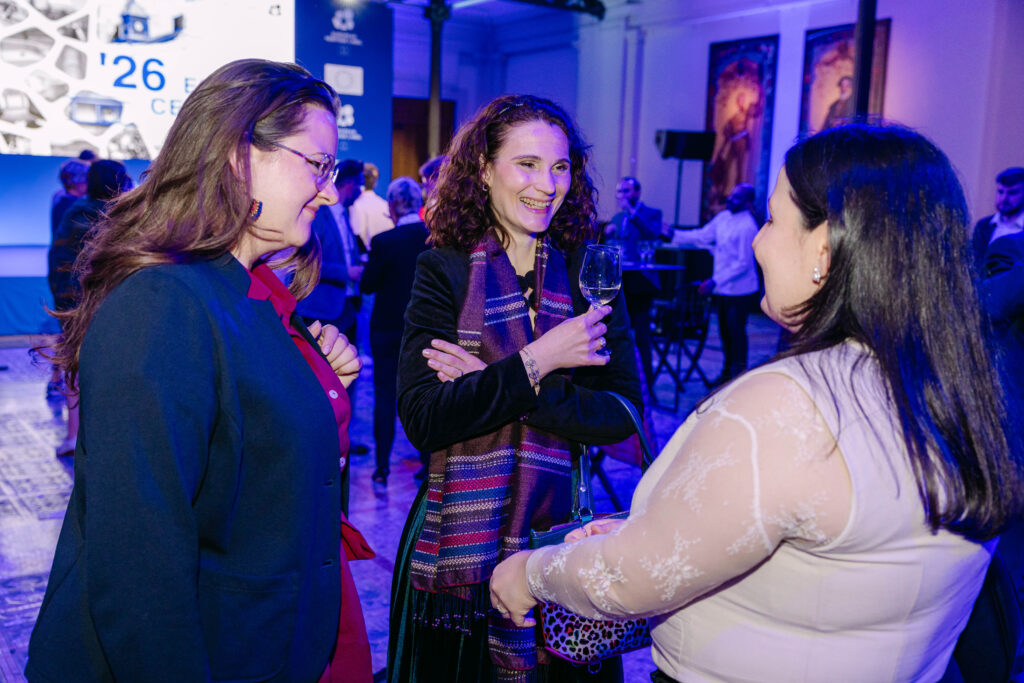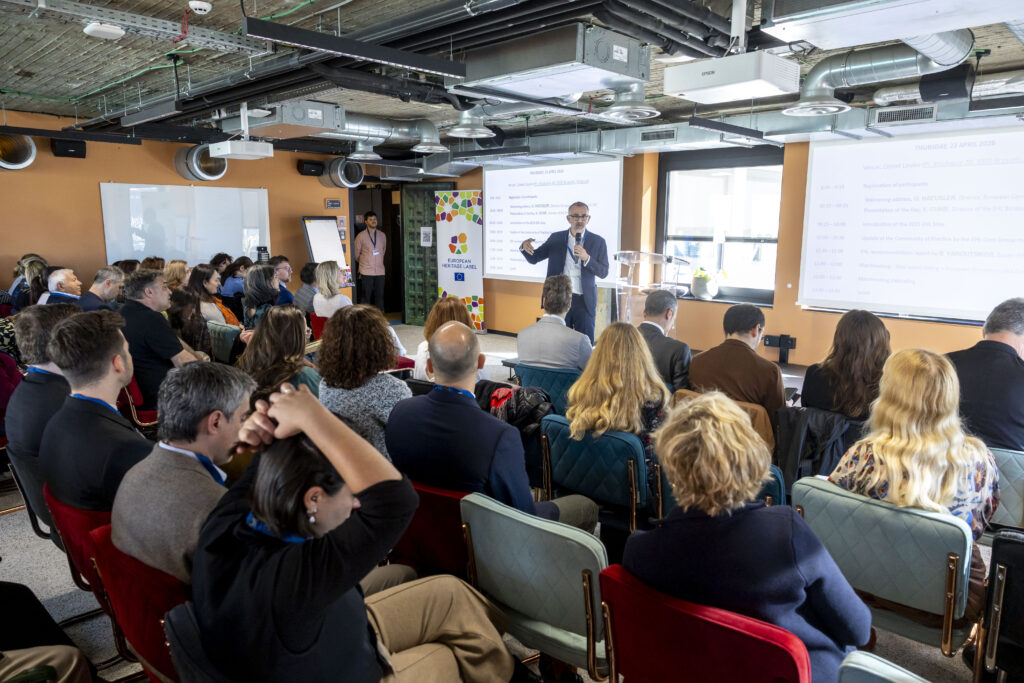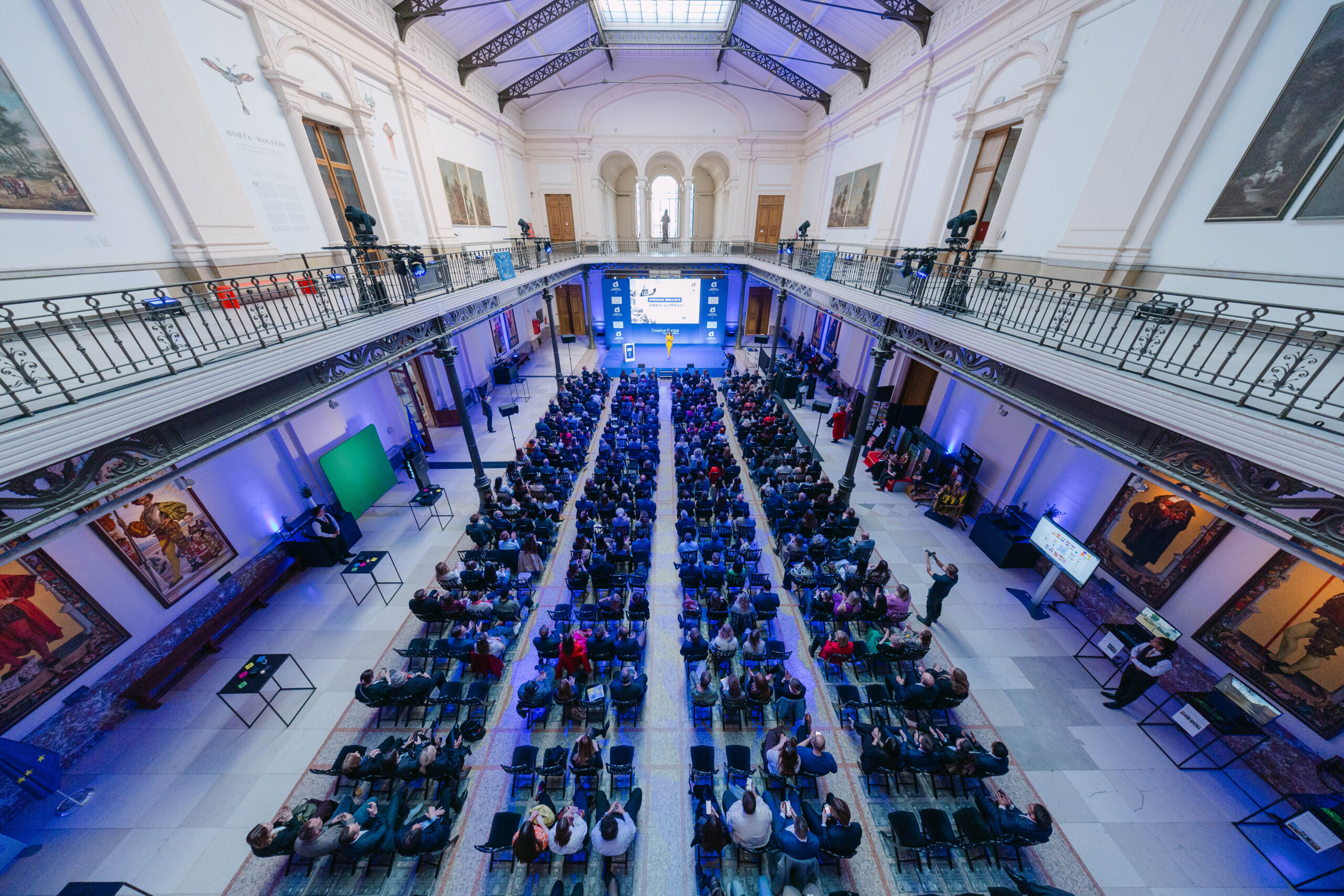
Szentendre, the Arts Town of a Thousand Faces European Heritage site was welcomed at a landmark ceremony of the European Heritage Label in Brussels. On 22 April 2026, the European Heritage Label (EHL) marked a major milestone with the 2026 European Heritage Label Ceremony, celebrating 15 years of the initiative and officially welcoming Szentendre into its growing community of now 80 sites in more than 250 locations around Europe.
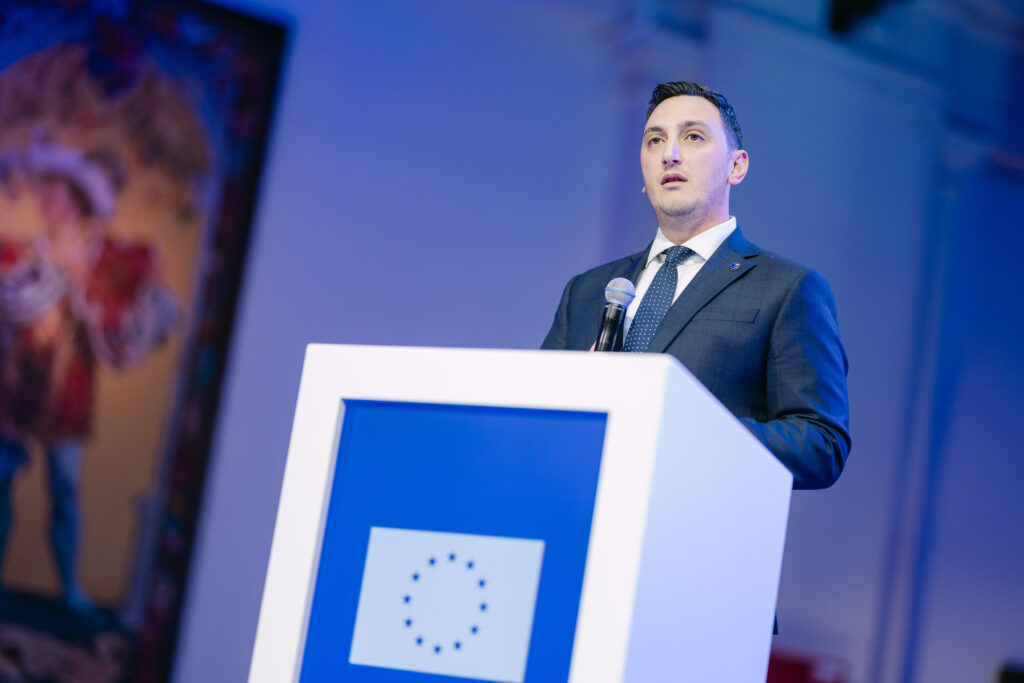
Held in Brussels, Belgium, at the Art and History Museum, the 2026 EHL Ceremony is the flagship event of the European Heritage Label and represents the culmination of the 2025 selection process announced earlier this year. The event was opened with a keynote address by Glenn Micallef, Commissioner for Intergenerational Fairness, Youth, Culture and Sport. It brought together MEPs, representatives from European institutions, cultural heritage experts, stakeholders, and representatives of the sites. Our site, Szentendre was represented by Kitti Ribár, who works as a Communication Associate in the Ferenczy Museum Center.
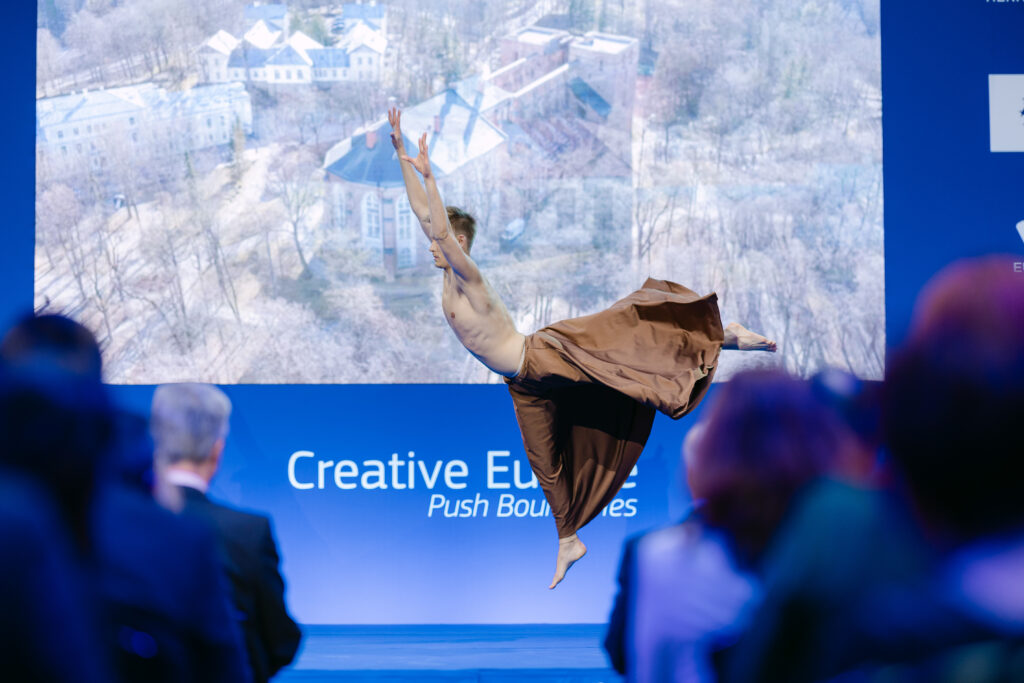
The programme featured artistic performances from three EHL sites alongside several site exhibitions and it concluded with a gala dinner, marking both a moment of recognition and a forward-looking celebration of Europe’s shared heritage. The 2025 selection introduced 13 new sites that reflect the diversity and depth of Europe’s shared history and cultural landscape: Landeszeughaus Graz (Austria); Domain & Royal Museum of Mariemont (Belgium); Provadia Salt-Production and Urban Centre (Bulgaria); Free Speech Space (Czechia); Pader Urban River Landscape (Germany); La Nau Cultural Centre (Spain); Industrial Heritage of Varkaus (Finland); Rashi of Troyes –Places of Remembrance (France); Places of Peace (Portugal, Spain, Hungary, Slovakia, Croatia, Bulgaria); Bosco delle Querce (Italy); Saint Paul’s Catacombs (Malta); Krzysztof Penderecki European Centre for Music (Poland); and Lagar Velho Rockshelter(Portugal).
Selected by an independent panel of experts from a shortlist of 21 candidates, these sites stand out not only for their historical significance, but also for their commitment to education, public engagement, and the promotion of European values, particularly amongst younger generations.
Commissioner for Intergenerational Fairness, Youth, Culture and Sport, Glenn Micallef, speaking at the event said: “These 13 newly awarded sites embody the very best of what the European Heritage Label (EHL) stands for. They reflect the richness of our shared history, each marking an important milestone in building an engaged, informed and forward-looking society, rooted in the European values we hold dear. At a time of great change and disruption, heritage anchors us. It helps us understand where we come from, make sense of where we are today, and inspires us to build the community of tomorrow. We should never underestimate the meaning and potential of these sites: helping citizens connect with their identity and see their shared history reflected in the places the EHL recognises.”
Since its creation, the EHL has grown to 80 sites across 23 European countries, forming a living museum of Europe that reflects both the diversity of its histories and the unity of its values. These sites bear witness to struggles and achievements, past conflicts and lasting peace, embodying the principles of human dignity, democracy, freedom, equality, the rule of law, and human rights.
Beyond their historical importance, they are dynamic spaces of engagement, offering exhibitions, workshops, guided tours, performances, and educational programmes designed to foster dialogue and critical reflection, particularly among younger audiences. In doing so, they demonstrate that Europe’s shared heritage is not a static legacy, but a continuous process of exchange, interpretation, and renewal.
The European Heritage Label is an initiative of the European Commission, supported through Creative Europe programme and implemented in cooperation with participating Member States. Since 2011, the European Commission has consistently supported the development of the EHL as a flagship initiative, strengthening the visibility of Europe’s shared heritage and bringing its stories closer to citizens across Europe.
For more information please contact the Hungarian national coordinator:
Magdolna Puha (magdolna.puha@ekm.gov.hu), Head of Department for International Relations and World Heritage Affairs
Or visit: