An angel flew over…
An angel flew over…
Processing Trauma in Contemporary Art
Reflections on the art of Imre Ámos and Margit Anna
‘Art is restoration: the idea is to repair the damages that are inflicted in life, to make something that is fragmented—which is what fear and anxiety do to a person—into something whole.’
Louise Bourgeois
According to Louise Bourgeois, the point of art is to create a new order out of experiences that have been fragmented by loss and trauma. Trauma has a layered quality: ever-new shells form around the original shock, composed of personal memories, social relations, silences and painful associations that accumulate over time. Peeling off these layers is what is really at stake for any artist dealing with traumas: the hope of finding a way through the ruins to understanding and a balance that can be maintained.
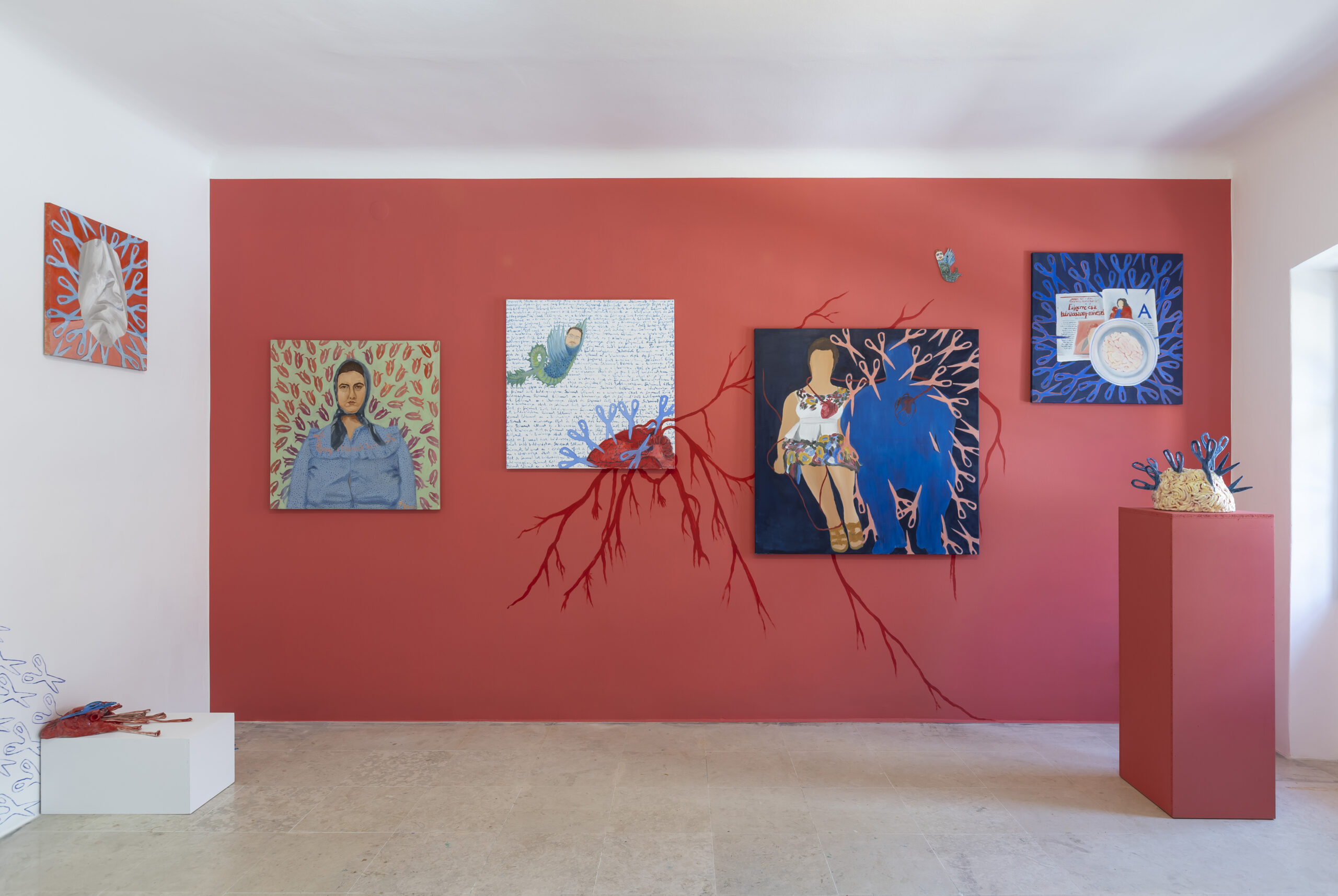
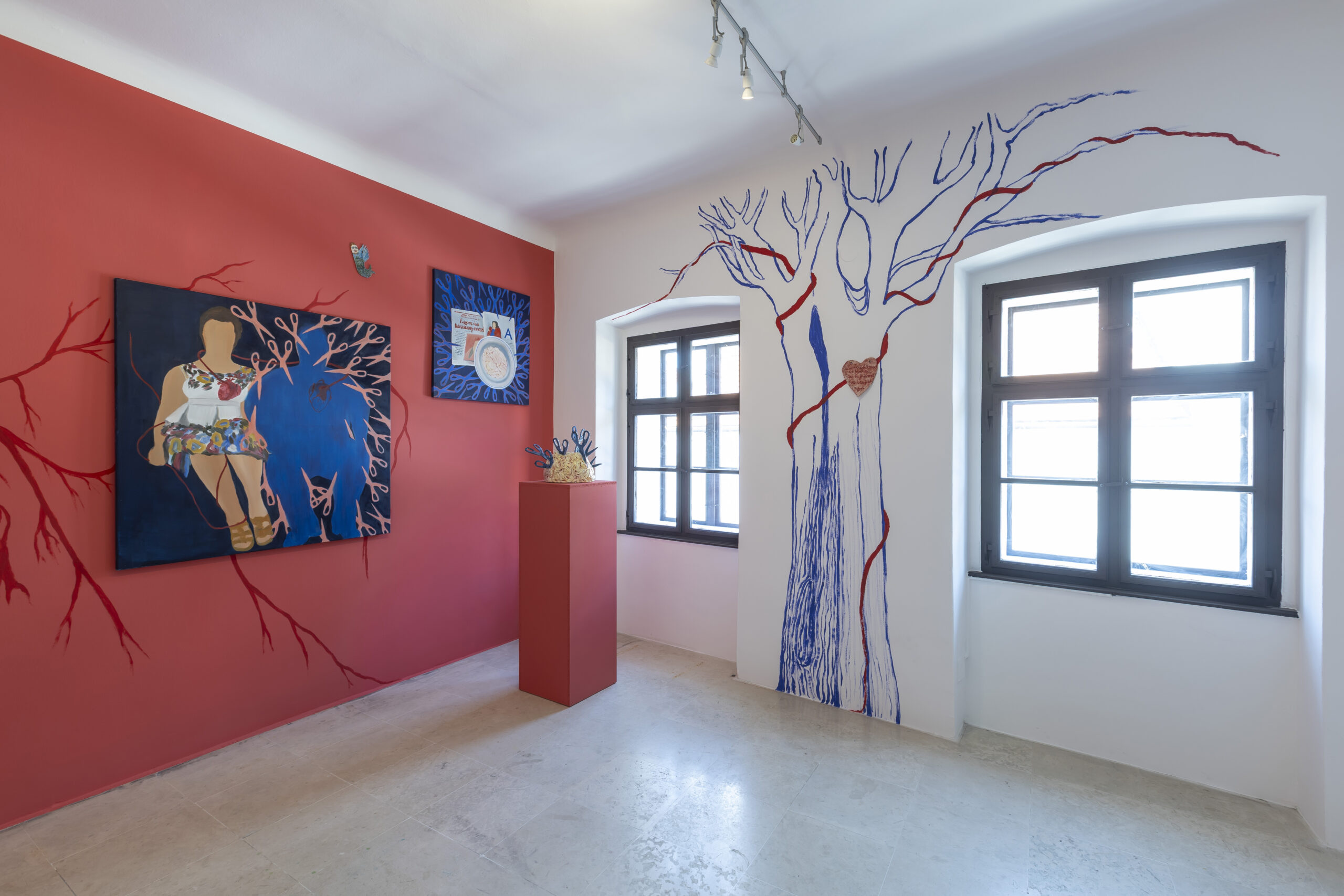
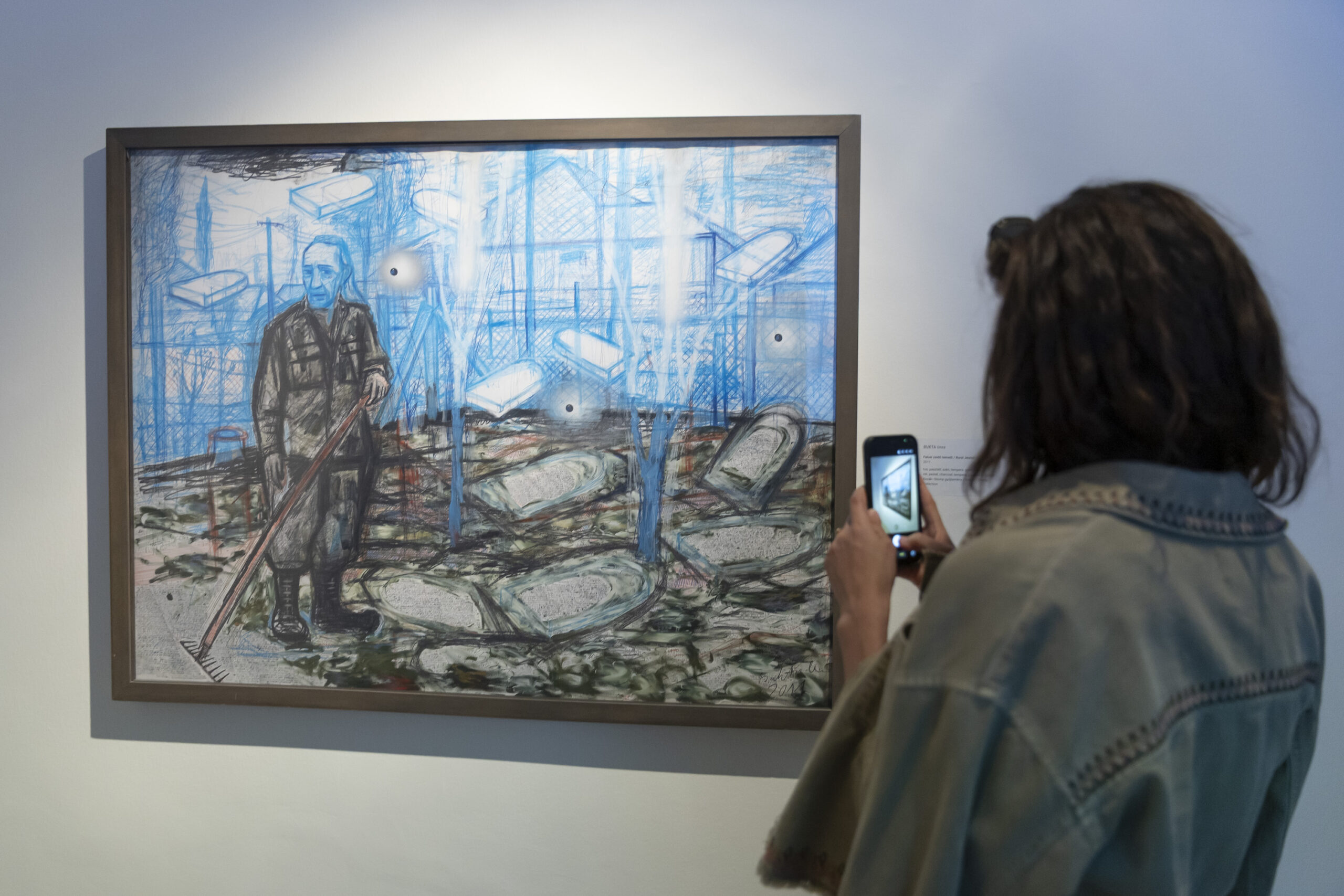
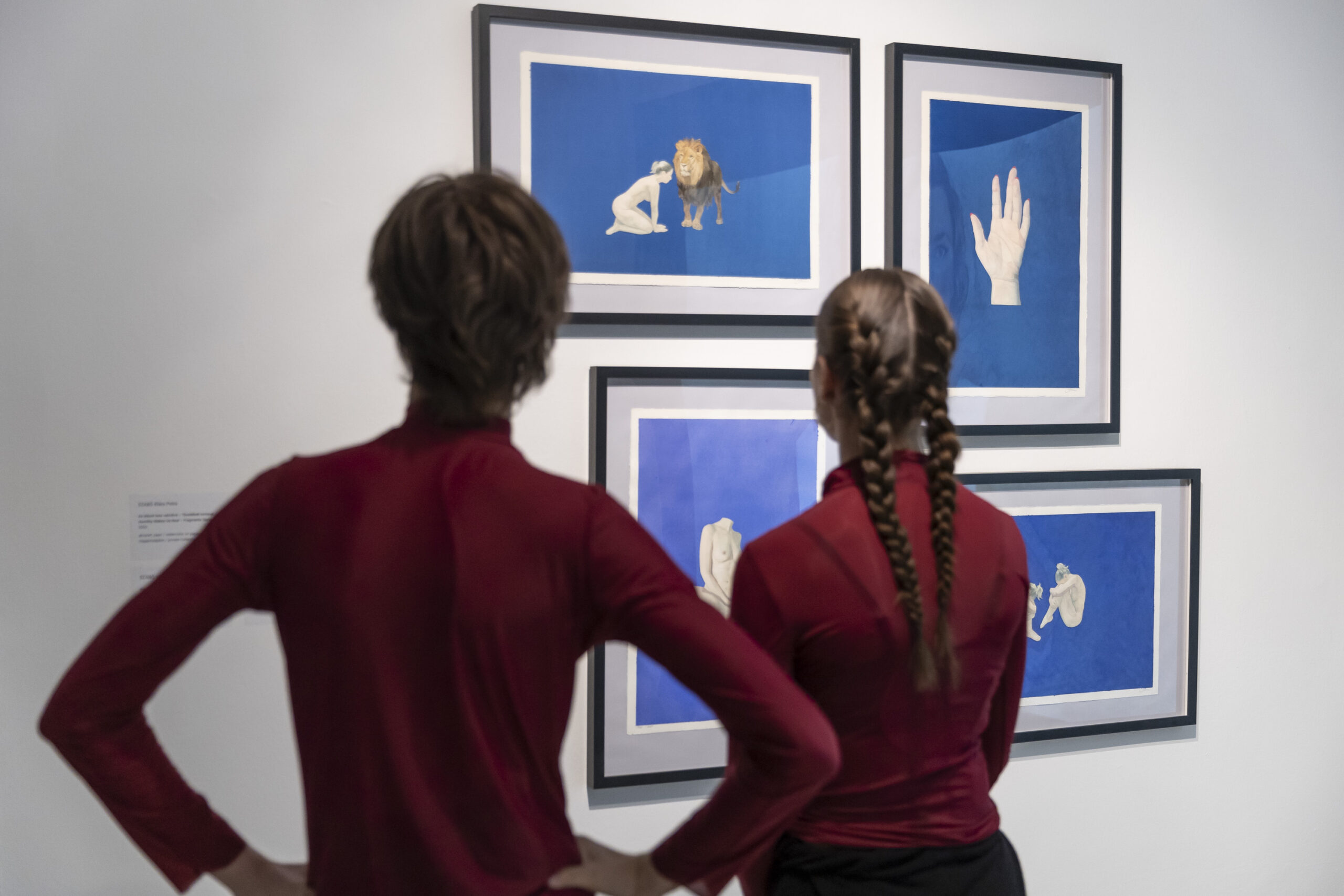
With the oeuvres of Imre Ámos and Margit Anna as its vantage point, the exhibition An angel flew over… establishes connections between the works of contemporary artists for whom art is, beyond the means of self-expression, a field where losses, absences and interrupted continuities can be restored. The fragmentations that appear in the exhibition derive from different historical and personal experiences. Imre Bukta examines the disintegration of rural communities and the loss of meaning in collective memory, and Zsuzsi Flohr explores the transgenerational legacy of the Holocaust through exposing the legends of her own family. Klára Petra Szabó’s works draw on the experience of divorce, isolation and abandonment, while the installation of Andrea Fajger née Dudás unexpectedly became a grief work in progress as she prepared for the exhibition.
This exhibition does not necessarily offer resolutions, and is instead an attempt to get closer to the fragmentations that shape personal destinies, communities or entire societies. That is because the point of trauma work is not to hide injuries and scars, but to reconnect or restore the disrupted continuity of personality, and to repair the connection between the past and the present.