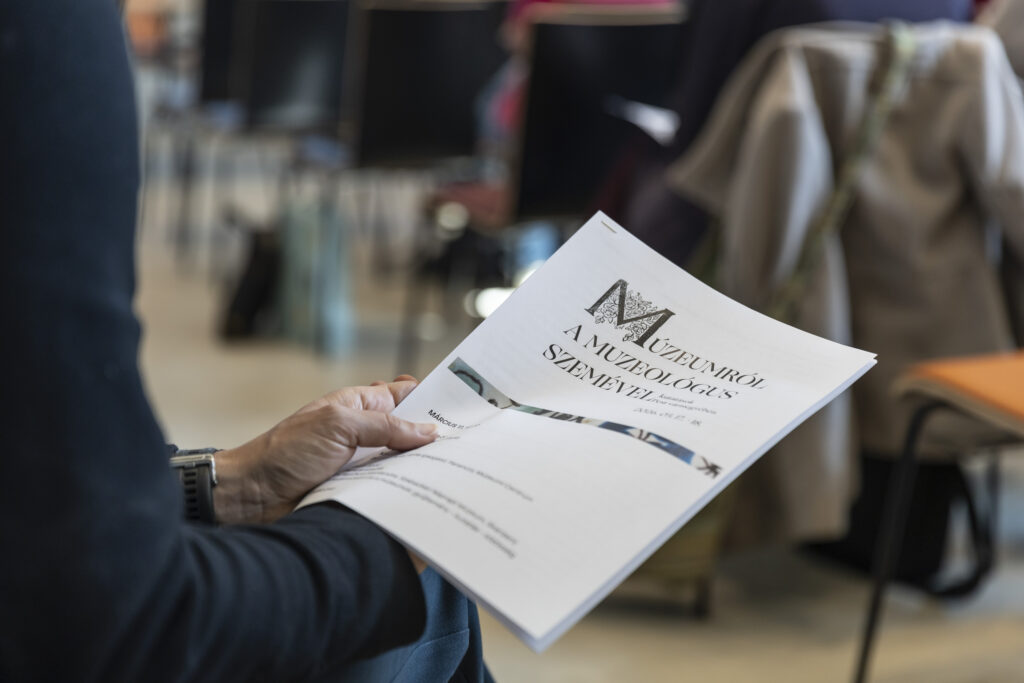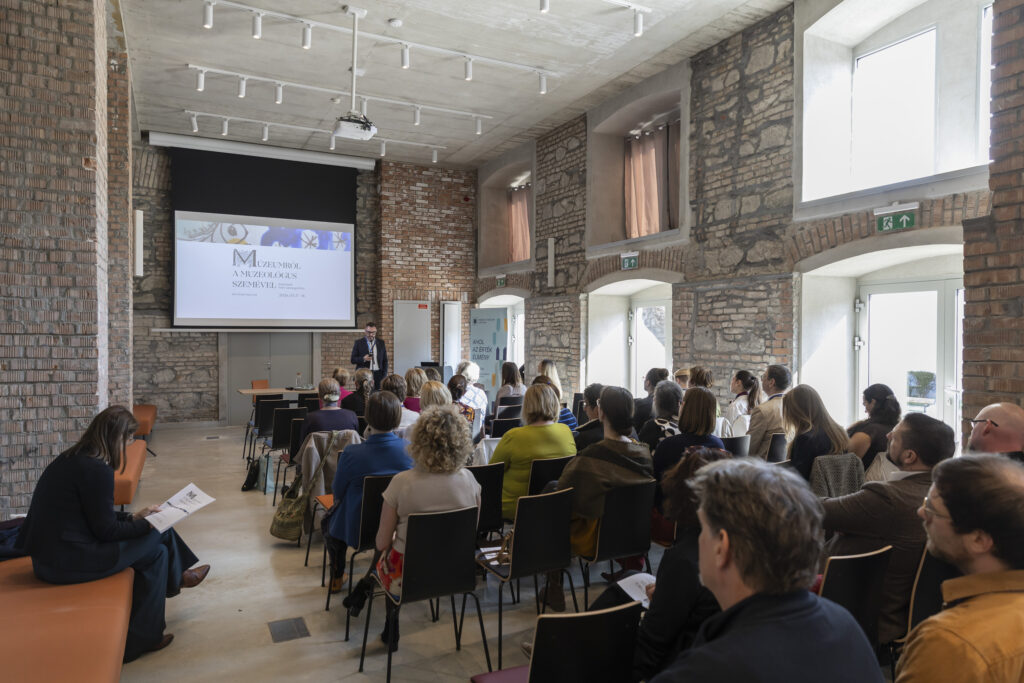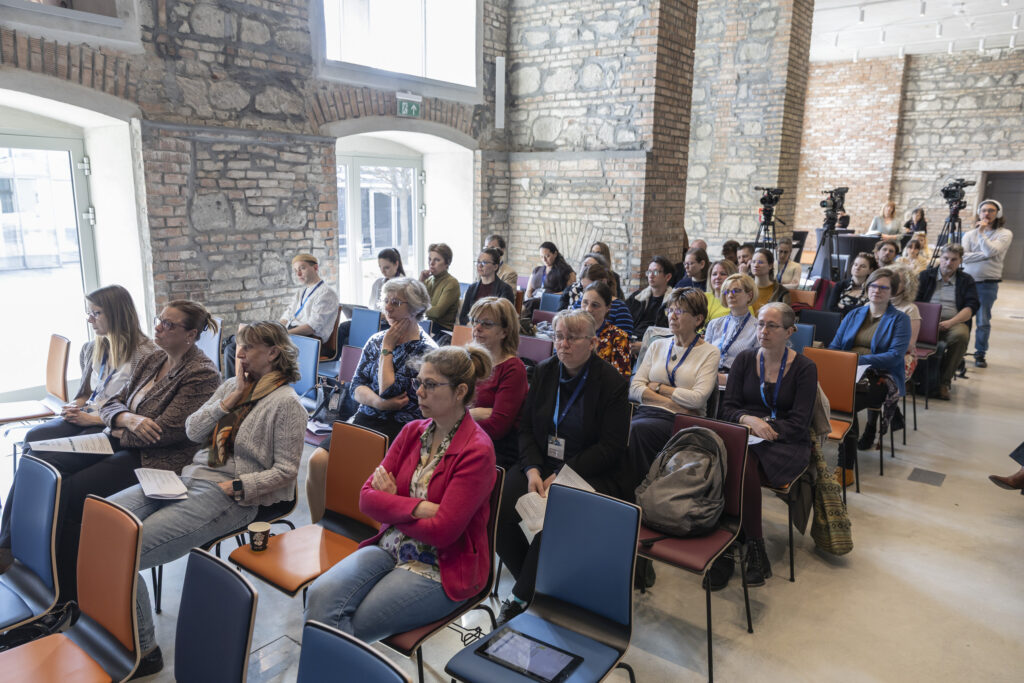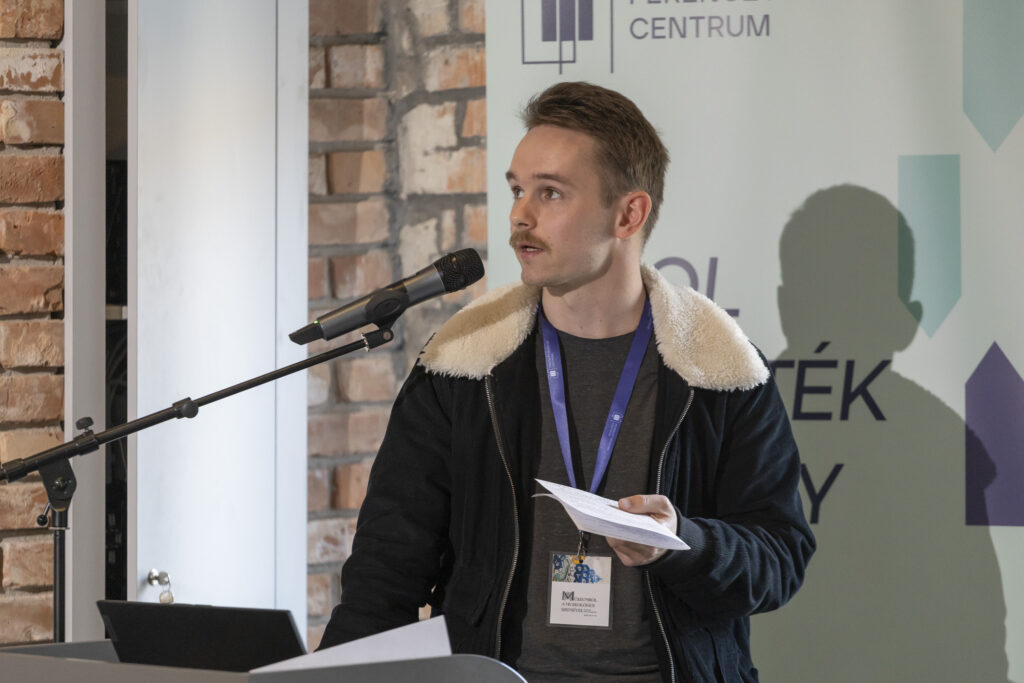
The conference entitled “The Museum through the Eyes of a Museologist, Research in Pest County”, held by the Ferenczy Museum Center, ended on March 18.
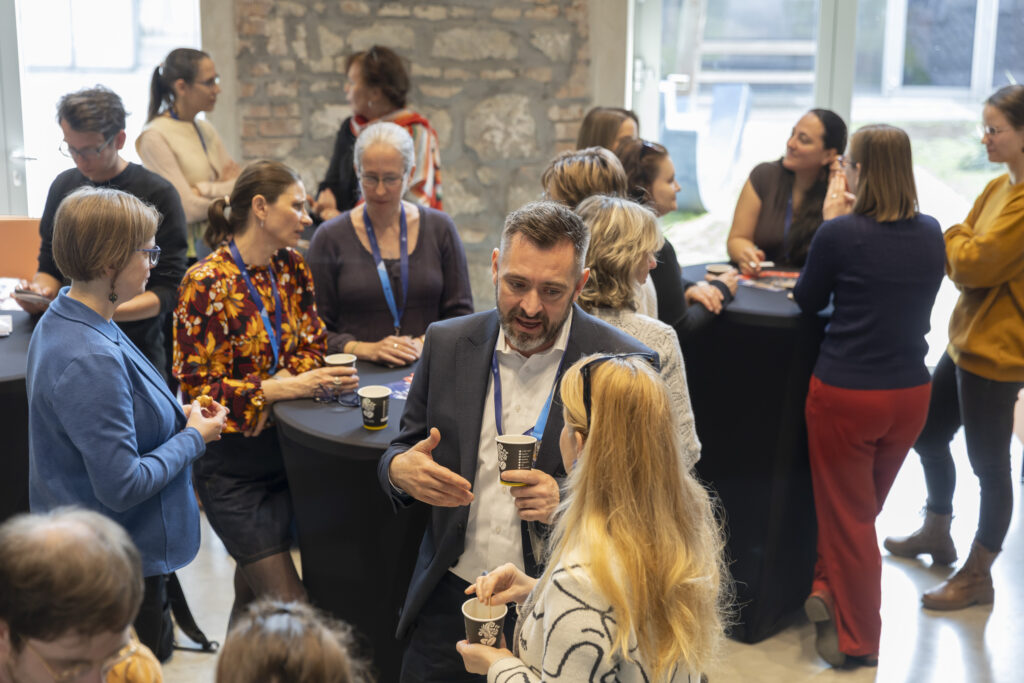
We heard many instructive and interesting presentations, but perhaps the best part was that the conference brought together colleagues from the museums of Pest County, and a professional cooperation could begin. Many good examples were given, on topics of local history, fine arts, collection conservation, and museum education, but difficulties that affect all museums were also discussed.
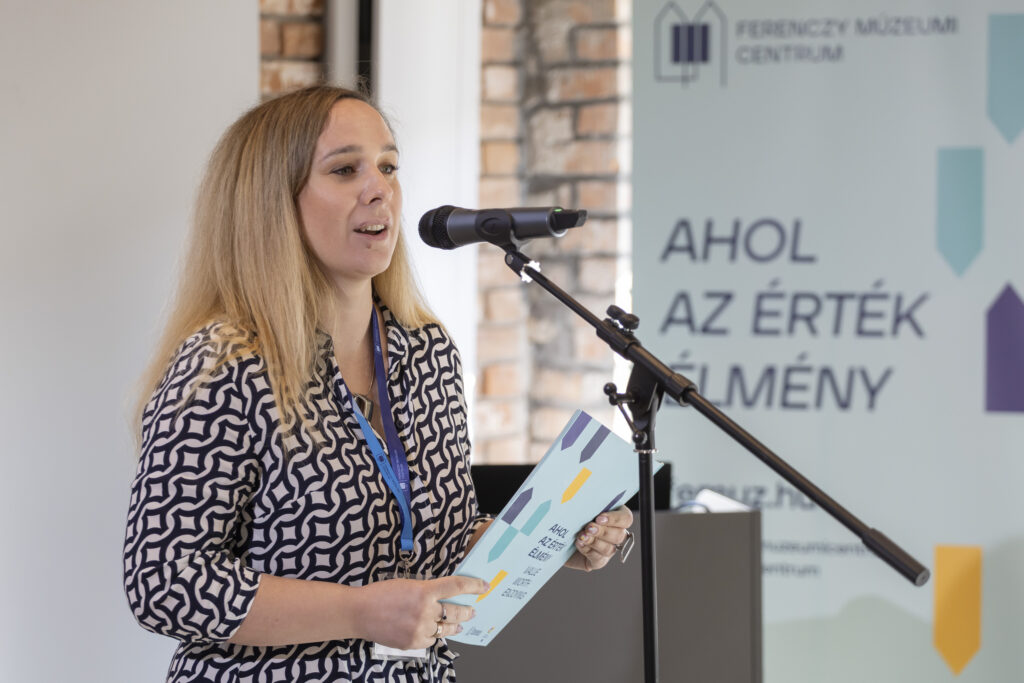
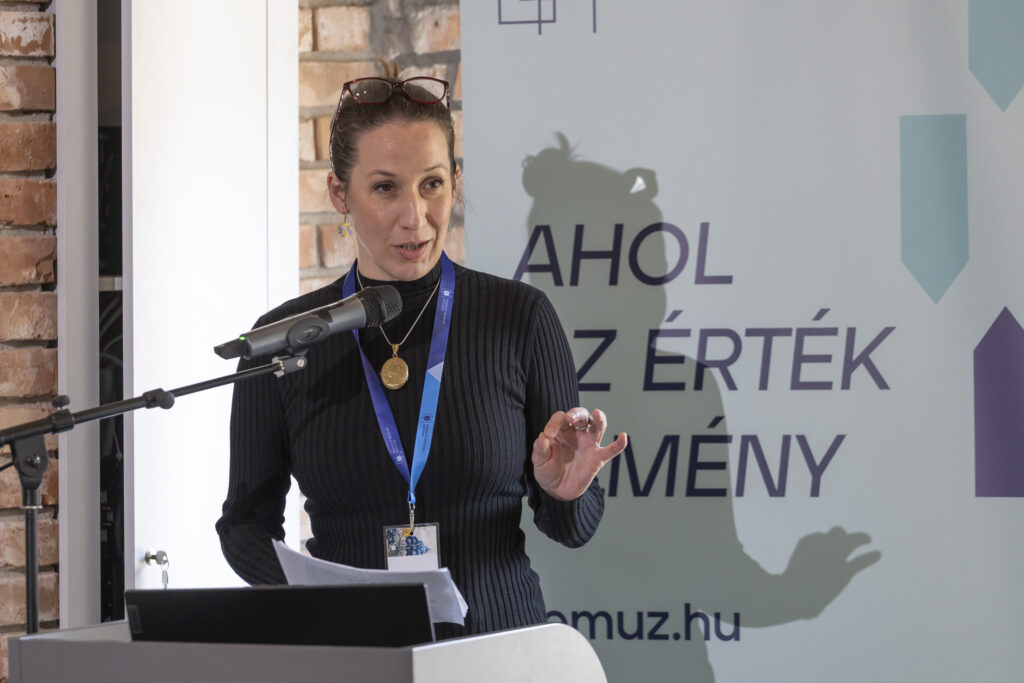
The conference was opened by Director Anna Borbély-Tardy, who emphasized that this conference is particularly important, since institutional cooperation cannot function without personal contacts and dialogue. These two days aim to provide a space for these connections and conversations by bringing together museum colleagues from Pest County and providing an opportunity to share our ongoing research, projects and good practices.
The first speaker of the conference was Dr. Zsolt Sári from the Open-Air Museum of Ethnography, who emphasized that museums cannot function without communities, and that museum collections are not goals, but tools for initiating social dialogue. The emphasis should shift from objects to the stories behind them and digitally accessible information. This is also important because an open, digitized collection gives everyone the opportunity to add innovations to our common heritage through their own research, thus breaking down previous elitist barriers.
The last presentation of the conference was given by Dr. János Verebics, Associate Professor at the Faculty of Economics at ELTE, on the possibilities of applying artificial intelligence. From 2022, generative artificial intelligence will be able to create new content, which will have a significant impact on the professional life of museums. Whether it is visual or textual content, its application has become unavoidable. The museum environment has been transformed: digitization creates new opportunities for preserving, processing and making collections accessible, but at the same time it also carries risks.Due to the lack of guidance, it is up to professionals to learn to use these tools ethically. Institutions that integrate AI must provide training for their staff.