
23 January 2026 – 6 January 2030
exhibition
Location:
Ferenczy Museum
Curators:
Emőke Bodonyi, Zsuzsa Iberhalt, Zsuzsanna Kozák, Brigitta Muladi, Noémi Szabó
Opening:
22 January 2026, 4 p.m.
With over two million items, the collection of the Ferenczy Museum Centre is both timeless and teeming with stories that keep changing. Rather than close this vast material, this exhibition seeks to open it up, offering a subjective yet representative snapshot through which it is possible to trace the complex, colourful 130 years of art created in Szentendre. Starting with the modern heritage of the Ferenczys, we move through the plein air and constructivist tradition of the Old Artist Colony to the artists gathering around Lajos Vajda and Dezső Korniss, who created their own unique vision by weaving together surrealism and the roots of folk art. The journey continues to the New Artist Colony, a world varied in styles and genres, then on to the
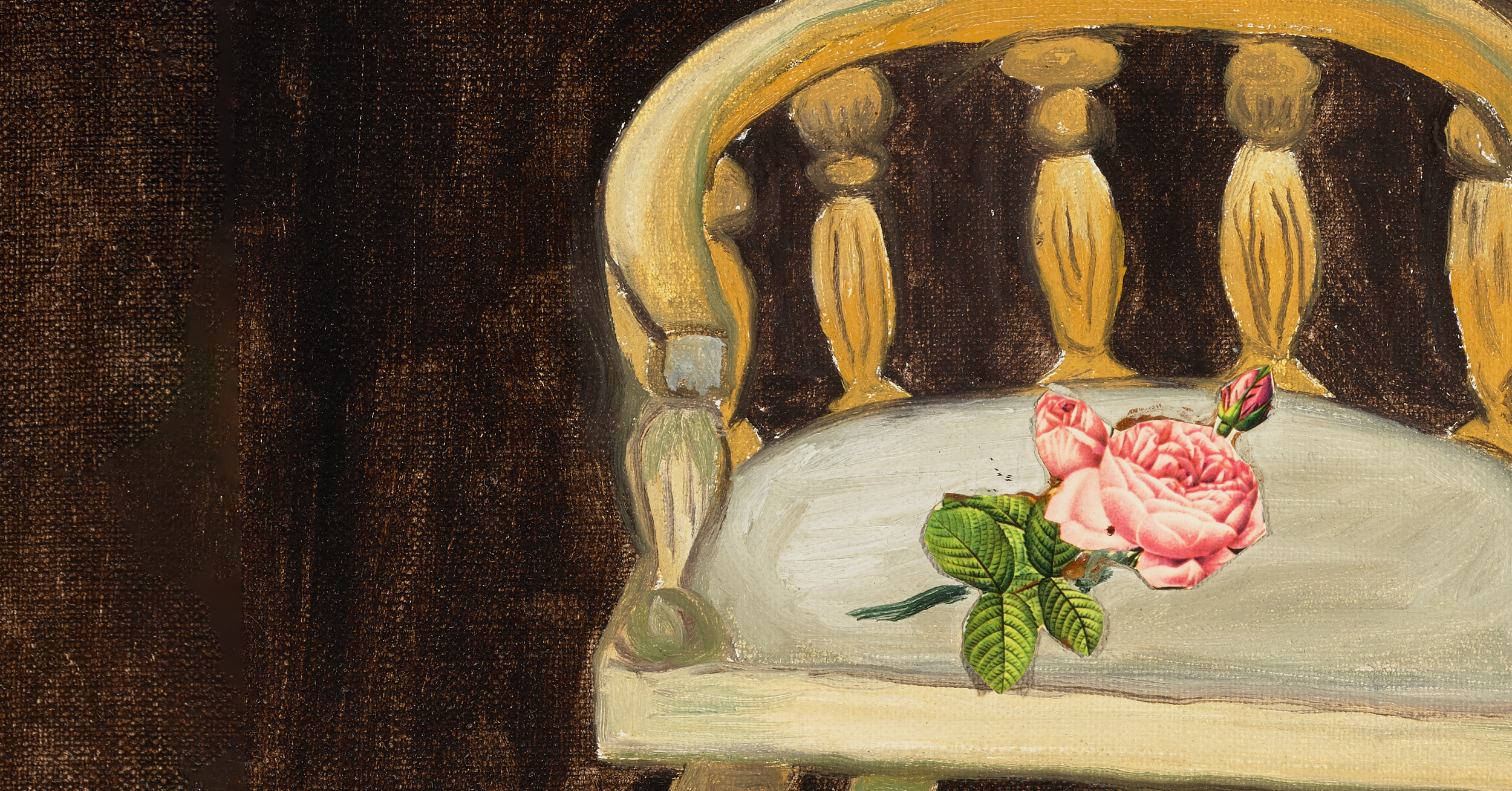
free spirit and Dadaist humour of the Vajda Lajos Studio and the creative community experiments of the Szentendre Printmaking Workshop. We want to allow our visitors to explore the extremely rich material in our collection according to their own individuality and sensibilities, so that looking can go hand in hand with the establishment of personal connections. To facilitate this, we have placed various chairs in each room, offering new and exciting viewpoints.
A chair—as a symbol of human presence, attention or rest—can be comfortable or uncomfortable, unfamiliar or worn and homely. It is a place where someone has sat before us, and which we will leave empty. We sit on chairs when we work at our desks, have lunch with our families or sit back with a good book. We are seated as we travel, we sit in the church and in the doctor’s waiting room. Seats are also an important part of the museum experience. Paul Klee, the surrealist painter said: ‘For the understanding of a picture, a chair is needed. Why a chair? To prevent the legs, as they tire, from interfering with the mind.’ When you take a seat in the special chairs placed among the works of art, new thoughts can arise and
the story that frames them may become rewritten. Thus, in the room presenting the art of the Ferenczys, you will find Károly Ferenczy’s painting chair, and in the discovery corridor a time-travelling armchair. How do they change our experience? The unexpected encounters between iconic works and gems from the storerooms invite us to discover together how many different realities and perspectives are layered in the history of art in Szentendre.
